
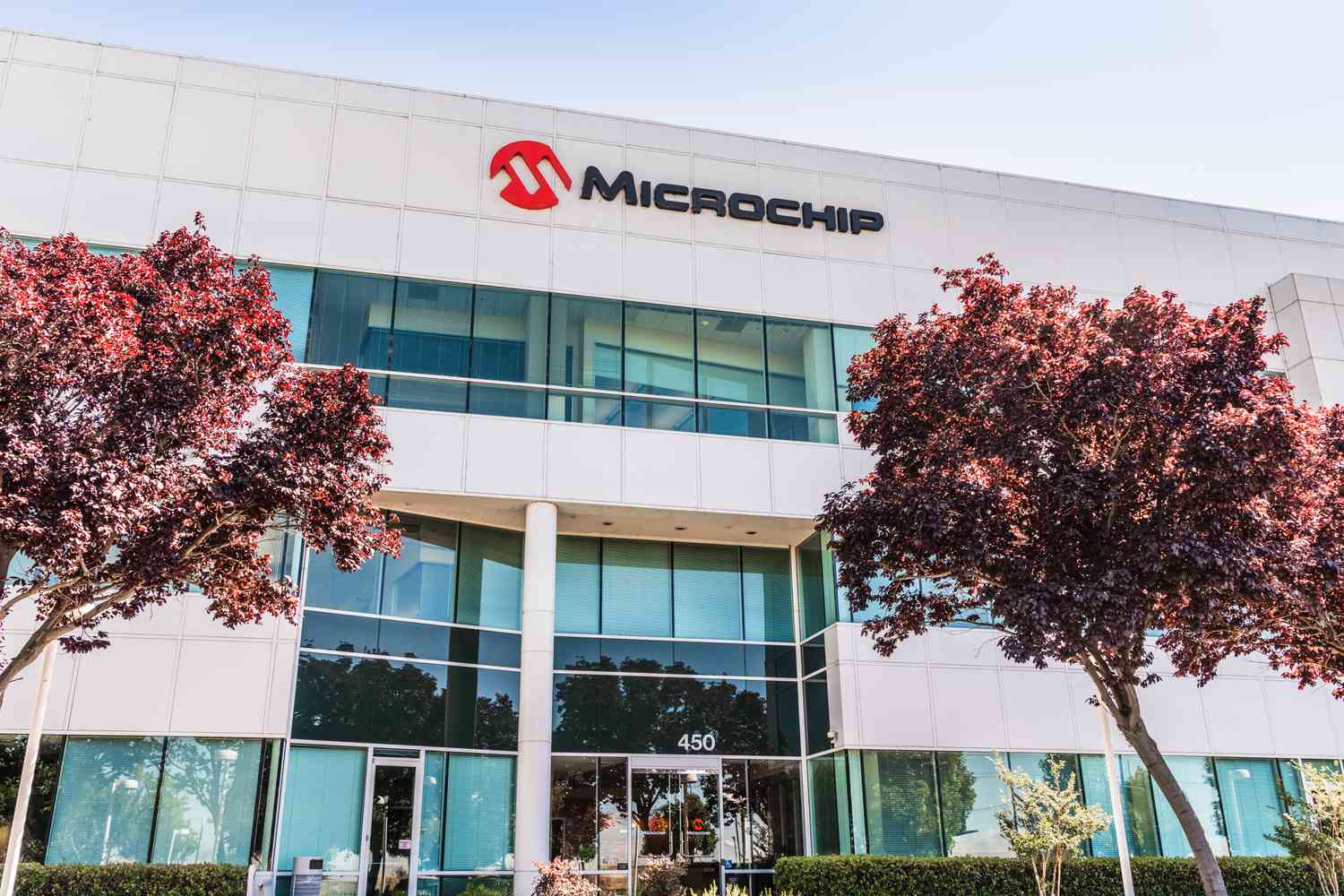

November 9, 2025 | Bengaluru, India — In a major boost to India’s semiconductor and electronics ecosystem, Microchip Technology Inc., a leading global provider of smart, connected, and secure embedded control solutions, has announced the inauguration of a new state-of-the-art development facility in Bengaluru.
The expansion underscores Microchip’s long-term commitment to India and aligns with the country’s vision of becoming a global semiconductor design and manufacturing hub under the “Make in India” and “Digital India” initiatives.
Located in the heart of India’s technology capital, the new facility is expected to enhance Microchip’s research, development, and engineering capabilities across multiple domains — including semiconductor design, embedded systems, AI integration, and next-generation IoT solutions.
Microchip’s Growing Footprint in India
Microchip Technology Inc., headquartered in Chandler, Arizona (USA), has been a key player in the global semiconductor industry for over three decades. The company specializes in microcontrollers, analog semiconductors, FPGA solutions, and power management systems used across automotive, industrial, aerospace, and consumer applications.
In India, Microchip has maintained a strong presence for nearly two decades, operating major design and support centers in Hyderabad and Chennai. The new Bengaluru facility marks the company’s third and largest center in India, strategically positioned to tap into the region’s deep engineering talent pool and innovation-driven ecosystem.
“India is at the forefront of the global semiconductor evolution, and Bengaluru is the perfect location to expand our R&D presence,” said Ganesh Moorthy, President and CEO of Microchip Technology Inc.
“This new facility will serve as a catalyst for innovation, collaboration, and the development of technologies that will shape the future of electronics worldwide.”
Inside the Bengaluru Facility: Innovation at Scale
The newly inaugurated facility spans over 1,60,000 square feet, designed with an emphasis on collaborative research, sustainability, and inclusivity.
Key Highlights of the Facility:
- Advanced R&D Labs: Equipped for semiconductor design verification, embedded software testing, FPGA development, and AI-enabled chip modeling.
- Sustainability Focus: Built to LEED Gold standards, the office includes energy-efficient systems, solar power integration, and rainwater harvesting infrastructure.
- Employee-Centric Design: Features flexible workspaces, innovation pods, accessibility features for employees with disabilities, and wellness zones.
- Talent Development Hub: Includes dedicated spaces for training and collaboration with academic institutions and startups.
According to Microchip officials, the Bengaluru facility will initially house over 1,000 engineers, with plans to expand to 1,800 employees by 2027.
The teams will focus on next-generation semiconductor research, embedded design architectures, edge AI, and cloud connectivity frameworks, driving the company’s future product roadmap.
Why Bengaluru: India’s Silicon Valley Advantage
Bengaluru, often dubbed the “Silicon Valley of India,” continues to be the preferred global destination for semiconductor and electronics design companies. With over 40% of India’s semiconductor design engineers based in the city, it offers the perfect ecosystem for global firms like Microchip to scale their operations.
The city is home to several world-class institutions such as the Indian Institute of Science (IISc) and International Institute of Information Technology (IIIT-B), along with a vibrant network of startups and innovation clusters.
“Our Bengaluru expansion reflects the city’s world-class engineering ecosystem and India’s growing importance in the global semiconductor value chain,” said Nilesh Jain, Vice President of Engineering at Microchip India.
“We plan to collaborate with local universities, research labs, and startups to accelerate innovation in areas like embedded security, AI chips, and IoT systems.”
This move also supports the Indian government’s mission to reduce dependency on imported semiconductors and establish the country as a semiconductor powerhouse.
Aligning with India’s Semiconductor Vision
Microchip’s expansion comes at a time when India is aggressively pursuing its Semiconductor Mission, launched in 2022 with a ₹76,000 crore incentive plan to attract global chipmakers, boost domestic R&D, and develop fabrication (fab) facilities.
The government has set an ambitious goal to make India a $100 billion semiconductor hub by 2030.
Microchip’s Bengaluru facility will play a crucial role in achieving this by:
- Enhancing chip design capabilities within the country.
- Upskilling Indian engineers in semiconductor and embedded technologies.
- Strengthening global collaborations with universities and industry partners.
- Supporting “Design in India, for the World” initiatives.
“Microchip’s investment is a validation of India’s growing semiconductor prowess,” said Rajeev Chandrasekhar, Union Minister of State for Electronics and IT.
“We welcome global leaders who believe in India’s talent and are committed to building an ecosystem of innovation, research, and manufacturing.”
The Economic and Employment Impact
The new facility is expected to create hundreds of direct and indirect jobs, including opportunities for hardware engineers, embedded software developers, and AI specialists.
Beyond employment, it will also drive economic growth through collaborations with local suppliers, IT service providers, and academic institutions.
According to industry analysts, each new high-tech R&D center in the semiconductor domain contributes significantly to local innovation ecosystems, generating 10–15 indirect jobs per direct hire and fostering startup incubation opportunities.
Microchip also plans to launch a “University Partnership Program” in Karnataka, collaborating with colleges to train students in VLSI design, embedded systems, and semiconductor physics — nurturing the next generation of chip designers.
“We are not just hiring talent; we are cultivating it,” said Ramesh Krishnamurthy, Managing Director of Microchip India.
“Our goal is to make India a global center for semiconductor excellence.”
Global Context: Semiconductor Industry Boom Amid Challenges
The expansion also reflects a broader global trend — as semiconductors become the backbone of the digital economy, companies are seeking to diversify manufacturing and design operations away from traditional hubs like Taiwan, South Korea, and China.
Key Drivers Behind Global Expansion:
- Geopolitical Tensions: Ongoing trade restrictions and the U.S.-China technology rivalry have accelerated the need for alternative supply chain centers.
- Post-Pandemic Recovery: The global chip shortage during the COVID-19 crisis exposed vulnerabilities in supply chains.
- AI and EV Growth: Explosive demand for chips in AI systems, electric vehicles (EVs), and renewable energy infrastructure has spurred R&D expansion.
India, with its skilled workforce, stable policies, and cost advantages, has emerged as a strategic R&D destination for global chipmakers.
“Global companies are recognizing India not just as a low-cost destination but as a high-value innovation hub,” said Amitabh Kant, India’s G20 Sherpa and former NITI Aayog CEO.
“Microchip’s move strengthens India’s credibility as a critical link in the global semiconductor chain.”
Microchip’s Commitment to Sustainability and Innovation
Sustainability has been a core focus of Microchip’s expansion strategy. The Bengaluru facility has been designed to be eco-friendly and carbon-efficient, with several green building certifications in progress.
The company has adopted renewable energy sources for its power supply and aims to achieve net-zero carbon emissions by 2030 across its global operations.
“We view sustainability as an integral part of technological progress,” said Steve Sanghi, Executive Chairman of Microchip Technology.
“Our Bengaluru facility embodies our commitment to responsible innovation and global environmental stewardship.”
In addition to sustainability, the facility will serve as a co-innovation hub, encouraging collaboration between industry experts, academia, and startups. Microchip has announced plans to launch an innovation accelerator program for startups working in areas like:
- Edge computing and AI chips.
- 5G and advanced wireless communication.
- Automotive electronics and smart energy systems.
Voices from the Industry: A Milestone for India’s Tech Sector
Industry leaders and experts have hailed Microchip’s expansion as a significant milestone for India’s technology and semiconductor sectors.
“This move cements India’s position as a global design center,” said Dr. Anjali Sharma, a semiconductor analyst at Frost & Sullivan.
“It will inspire other global players to follow suit, and help India move up the value chain from software outsourcing to hardware innovation.”
The Electronics Sector Skill Council of India (ESSCI) has also expressed optimism, noting that global collaborations like Microchip’s will drive innovation, skill development, and investment simultaneously.
Challenges Ahead: Building a Complete Semiconductor Ecosystem
While Microchip’s new facility is a strong signal of progress, experts caution that India still faces several hurdles in developing a complete semiconductor value chain.
Key Challenges Include:
- Lack of Domestic Fabrication Units: India still imports over 85% of its semiconductors, relying heavily on East Asian foundries.
- Talent Gap in Niche Skills: Although India has vast engineering talent, specialized VLSI and chip manufacturing skills are still developing.
- Infrastructure Bottlenecks: High-end chip manufacturing demands consistent power, water, and logistics — areas where India is still catching up.
Nevertheless, with strong government push, rising private investments, and corporate commitments from companies like Microchip, Intel, and AMD, India is inching closer to semiconductor self-reliance.
The Road Ahead: A Shared Future of Innovation
Looking ahead, Microchip Technology Inc. plans to continue expanding its Indian operations through collaboration, innovation, and talent investment.
The company aims to position India as one of its top three global R&D hubs by 2030, alongside the U.S. and Europe. Future focus areas will include AI hardware acceleration, secure IoT platforms, automotive chips, and industrial automation systems.
“Our long-term vision is to make India an integral part of the global semiconductor innovation map,” said Ganesh Moorthy, CEO of Microchip.
“With India’s engineering talent, government support, and entrepreneurial spirit, we’re confident this partnership will define the future of technology.”
Conclusion: A Catalyst for India’s Semiconductor Revolution
Microchip Technology Inc.’s expansion in Bengaluru is more than just a corporate milestone — it’s a symbol of India’s emergence as a global technology powerhouse.
By combining world-class engineering talent with cutting-edge R&D, the new facility will help strengthen the semiconductor design ecosystem, boost job creation, and advance India’s ambitions for self-reliant, high-tech growth.
As the world transitions into an era dominated by artificial intelligence, digital transformation, and automation, initiatives like this ensure that India is not just a participant but a leader in shaping the technologies of tomorrow.
With Microchip’s continued investment and the government’s supportive vision, the foundations for India’s semiconductor renaissance have been firmly laid in Bengaluru — the heart of innovation.