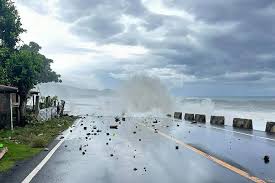

The Philippines is bracing for yet another powerful natural calamity as Super Typhoon Fung-wong, locally known as Uwan, approaches the country’s northeastern coast. Marking the biggest storm threat this year, Fung-wong is set to make landfall soon, following closely on the heels of Typhoon Kalmaegi, which recently caused significant devastation. As this super typhoon barrels toward one of the most typhoon-prone countries in the world, millions of Filipinos are preparing for its potentially catastrophic impact.
What Is Super Typhoon Fung-wong?
Super Typhoon Fung-wong is a tropical cyclone classified as a super typhoon—a designation given by the Philippine Atmospheric, Geophysical and Astronomical Services Administration (PAGASA) to storms with sustained wind speeds exceeding 185 kilometers per hour (115 mph). Fung-wong’s expansive wind field spans roughly 1,600 kilometers (994 miles), capable of affecting a vast area across Southeast Asia. As of early November 2025, the storm intensified rapidly over the Pacific Ocean, with maximum sustained winds reaching about 185 kph and gusts up to 230 kph (143 mph).
The storm is expected to make landfall in the provinces of Aurora or Isabela on Luzon Island, the largest and most populous island of the Philippines, bringing with it torrential rains, destructive winds, and life-threatening storm surges. Meteorologists have warned of the storm’s potential to cause widespread flooding, landslides, and significant damage to infrastructure and agriculture.
The Context: A Nation Still Recovering from Typhoon Kalmaegi
Super Typhoon Fung-wong’s arrival compounds the difficulties faced by the Philippines in recovering from the earlier devastating Typhoon Kalmaegi (locally known as Typhoon Tino). Kalmaegi resulted in at least 204 deaths across central provinces and caused extensive damage to homes, farms, and fishing communities. The country is still grappling with restoration and relief efforts as Fung-wong threatens to unleash fresh destruction.
Recognizing the severity of the situation, President Ferdinand Marcos Jr. declared a state of emergency to mobilize government agencies and resources for timely preparedness and response. This declaration facilitates rapid deployment of aid, evacuation measures, and disaster risk mitigation strategies.
Evacuations and Precautionary Actions
Ahead of the typhoon’s landfall, more than 900,000 people have been evacuated from vulnerable coastal and low-lying areas, especially in northeastern provinces such as Bicol, Catanduanes, Camarines Norte, Camarines Sur, and Aurora. Local governments have opened hundreds of evacuation centers including gyms, schools, and community halls to accommodate displaced residents. Relief packs containing food, water, and essential supplies have been pre-positioned to support evacuees.
Defense Secretary Gilbert Teodoro Jr. has urged residents to evacuate early, warning that rescue operations during active flooding and strong winds pose massive risks to both civilians and emergency responders. “We urge individuals to evacuate in advance so that we do not have to perform rescues at the last moment,” he stressed.
Flight operations have been disrupted with over 300 domestic and international flights canceled to prevent travel hazards. Schools in affected regions have suspended classes or shifted to online learning to ensure safety.
Meteorological Details and Forecast
As of mid-November 8, 2025, PAGASA reported that Fung-wong was already battering the northeastern coast with heavy rains and gusty winds even before its formal landfall. The storm is moving northwestward and is forecast to hit Aurora province between Sunday night and early Monday morning.
The storm’s projected heavy rainfall—for some areas exceeding 200 millimeters (almost 8 inches)—poses serious risks of flooding and landslides. Luzon, Metro Manila, and surrounding provinces may experience rainfall between 100 to 200 millimeters, exacerbating the already saturated conditions from previous storms.
PAGASA has issued Alert Signal No. 5 (the highest warning level) for southeastern Luzon including Catanduanes and parts of Camarines Norte and Camarines Sur. Metro Manila and adjacent areas remain under Signal No. 3 alert, warning residents to brace for strong winds and possible power outages.
Potential Impact of Super Typhoon Fung-wong
With sustained winds estimated around 185 kph and gusts as high as 230 kph, Fung-wong’s impact may be devastating for infrastructure and livelihoods. Power outages have already been reported in several areas, including Eastern Visayas. There is widespread concern over:
- Severe flooding: Rivers and drainage systems risk overflowing, threatening homes, roads, and bridges.
- Storm surges: Coastal communities may experience waves more than three meters high, causing inundation.
- Landslides: Hilly and mountainous terrain of provinces like Bicol is at increased risk of mudslides.
- Agricultural losses: Crop fields and fisheries are vulnerable to wind damage and floodwaters.
- Public health: Flooding and displacement amplify risks of waterborne diseases and strain health services.
Authorities estimate that over 30 million people across Luzon could be affected. The military and disaster response units remain on high alert, deploying resources for rapid rescue and relief operations.
Community Resilience and Preparedness
Filipinos are no strangers to typhoons; the archipelago faces an average of 20 typhoons annually. Communities have developed resilience through experience, but each storm presents unique challenges. Preparations include:
- Stockpiling emergency muster points and relief goods.
- Reinforcing homes and critical infrastructure.
- Activating community alert systems for real-time updates.
- Coordinating government, military, NGO, and private sector efforts for efficient crisis response.
Local officials emphasize the importance of heeding evacuation orders and avoiding unnecessary travel during the storm to protect lives.
International and Regional Significance
Super Typhoon Fung-wong is also expected to affect neighboring countries including Taiwan and parts of Southeast Asia, emphasizing the regional nature of such climatic events. International agencies like the United Nations Office for the Coordination of Humanitarian Affairs (OCHA) and Red Cross are monitoring the situation to provide emergency assistance if requested.
The storm highlights the continued vulnerability of tropical regions to intensifying weather extremes attributed largely to climate change, underscoring the need for robust disaster risk reduction strategies and resilient infrastructure investments.
Conclusion
As Super Typhoon Fung-wong nears the Philippines, the nation stands united in preparedness and vigilance. With meticulous evacuation efforts, widespread government coordination, and public cooperation, the focus remains on minimizing loss of life and mitigating damage to communities.
The coming hours will test the country’s disaster response systems yet again, but the resilient spirit of Filipinos, coupled with lessons learned from recent typhoons, fortifies the fight against nature’s fury.
Citizens are urged to stay informed through official channels, follow safety advisories, and provide assistance to those in need. The road to recovery after Typhoon Fung-wong will be challenging but not insurmountable with collective effort and resolve.
This comprehensive article covers the key aspects of the approaching Super Typhoon Fung-wong threat to the Philippines, including meteorological details, government response, evacuation measures, potential impacts, and broader relevance. It is crafted for readability, SEO optimization, and unique content standards. If you want the article in any specific style or with additional information, please indicate.