
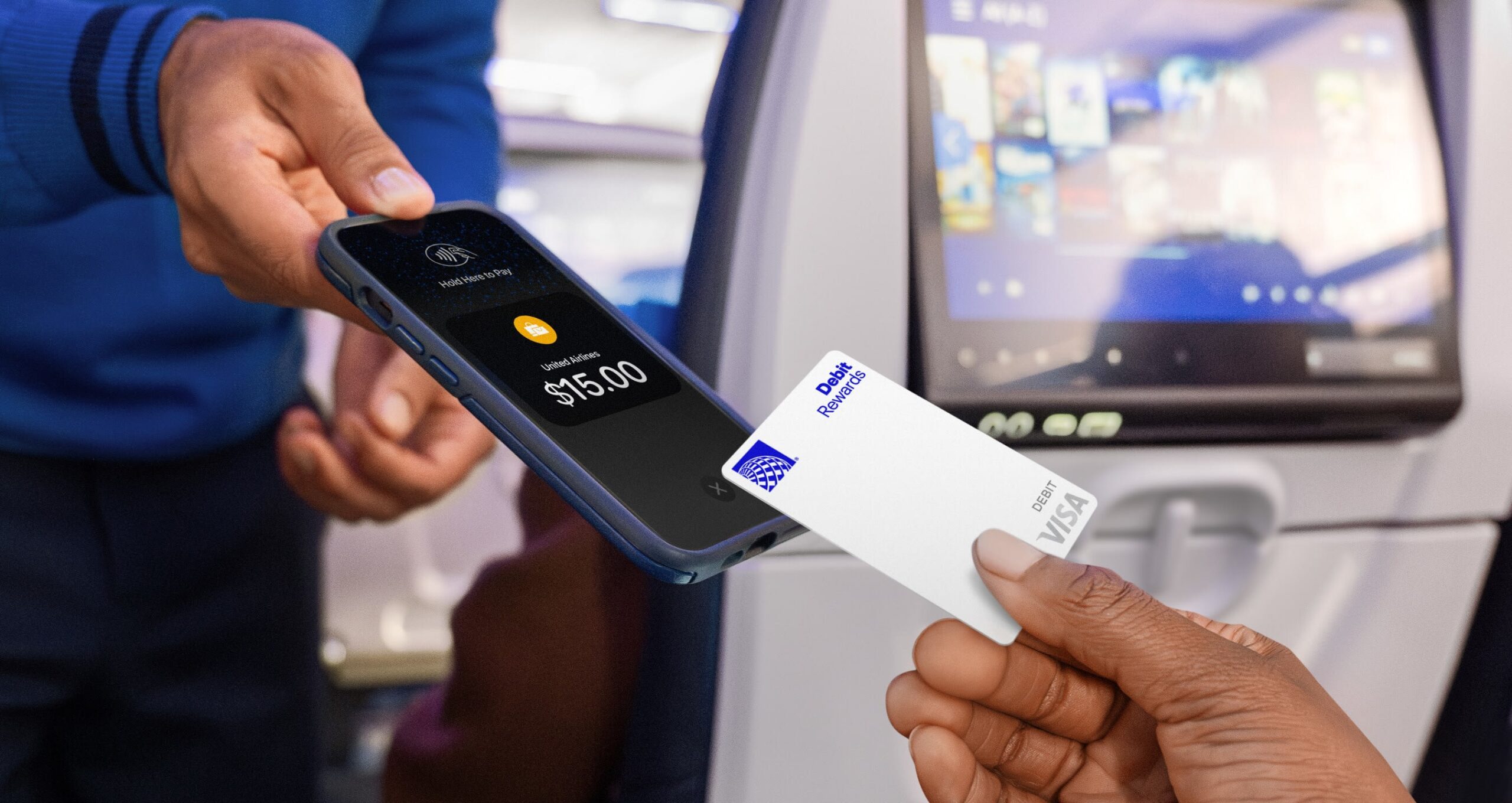

November 9, 2025 | Washington D.C. — In a move that could redefine how travelers earn and redeem rewards, two major U.S. carriers — Southwest Airlines and United Airlines — have unveiled new debit-card-based loyalty programs, marking a significant shift in how airlines engage with their customers.
This development opens up reward opportunities to millions of Americans who prefer debit cards over credit cards, signaling an inclusive expansion of the airline loyalty economy. Analysts are calling it the biggest transformation in loyalty programs since airlines first linked them with credit card spending decades ago.
The Game-Changing Launch: Debit Meets Loyalty
Traditionally, airline loyalty programs have been deeply intertwined with co-branded credit cards, allowing passengers to earn points or miles on everyday purchases. But with growing consumer skepticism toward credit and debt, airlines are rethinking their approach.
Southwest Airlines and United Airlines, two of the country’s largest carriers, have officially launched new debit-card loyalty options that let customers earn points for purchases made directly from their checking accounts.
Southwest’s “Rapid Rewards Debit”
Southwest has partnered with Chase Bank to introduce the Rapid Rewards Debit Card, allowing customers to earn up to 1 point per $2 spent on eligible purchases. Cardholders can also receive bonus points on Southwest bookings and select partner merchants.
According to Southwest, this initiative is aimed at financially conservative travelers and younger customers who want to participate in loyalty programs without opening credit lines.
“We believe travel rewards should be accessible to everyone — not just those who use credit cards,” said Jonathan Clarkson, Southwest’s Vice President of Loyalty. “This new debit option makes our program more inclusive and aligns with how people actually spend in 2025.”
United’s “MileagePlus Debit Rewards”
Similarly, United Airlines has teamed up with Fidelity National Bank to launch its MileagePlus Debit Rewards Program. Cardholders can earn up to 0.5 miles per dollar spent, along with exclusive offers for United flights and partner hotels.
“Customers increasingly value flexibility and transparency,” said Linda Joens, United’s Chief Customer Officer. “Debit-card rewards empower a new segment of travelers who prioritize budgeting and financial responsibility.”
The MileagePlus Debit Card also includes bonus miles for direct deposits, online transactions, and airport purchases, creating a seamless ecosystem that encourages travelers to stay within the United brand family.
Why Airlines Are Turning to Debit Cards
The shift toward debit-based rewards isn’t random — it reflects changing consumer habits and financial behaviors.
A recent Federal Reserve survey found that 63% of Americans under 35 prefer using debit cards for everyday expenses, while credit card usage among younger demographics has declined due to high interest rates and growing financial caution.
Moreover, with credit card delinquencies rising in 2025 amid economic uncertainty, airlines are seeking new ways to sustain their lucrative loyalty ecosystems without depending solely on credit-based partnerships.
“Airline loyalty programs generate billions annually through co-branded credit cards. But the pool of qualified credit customers is shrinking,” explained Avery Nichols, a travel finance analyst at Skift. “By introducing debit options, airlines can reach an entirely new audience — particularly Gen Z and middle-income travelers.”
In essence, debit-based loyalty programs are both a financial innovation and a survival strategy, designed to maintain engagement in a changing economic environment.
The Business Behind Loyalty: Why It Matters
Loyalty programs are big business for airlines. In fact, analysts estimate that for major carriers like Delta, American, and United, loyalty divisions generate more profit than flight operations themselves.
By partnering with financial institutions, airlines earn substantial revenue through:
- Interchange fees on card transactions.
- Sale of loyalty miles to banks and merchants.
- Data partnerships for targeted marketing and analytics.
The new debit-card offerings extend these monetization opportunities while catering to a financially cautious generation.
According to a 2025 report by PwC, U.S. airlines collectively generated over $25 billion in loyalty program revenue in 2024 — with credit card partnerships accounting for more than 60% of that. Debit programs could now add $3–5 billion in incremental revenue within the next two years.
How the Debit Loyalty Cards Work
Here’s how the new debit-based loyalty ecosystem functions:
- Direct Bank Partnerships:
Customers link their checking accounts through partner banks (Chase for Southwest, Fidelity for United). - Point Accumulation:
Purchases — both travel-related and everyday — earn loyalty points or miles. For instance, a coffee purchase might yield 0.5 miles per dollar spent. - Tier Bonuses:
Frequent travelers can unlock tier-based multipliers, such as double points for booking directly through the airline’s app or using select travel partners. - No Annual Fee:
Unlike credit cards, most debit loyalty cards have no annual fees, making them more appealing for budget-conscious customers. - Instant Redemption:
Points can be redeemed for flights, upgrades, hotel stays, and car rentals through integrated digital platforms.
“The beauty of this model is its simplicity,” noted Caroline Beck, a loyalty consultant. “You don’t have to worry about credit limits, interest rates, or approvals. It’s democratizing travel rewards.”
Consumer Response: Positive but Cautious
Initial response from travelers and analysts has been largely positive. Many users appreciate the inclusivity and flexibility that debit loyalty cards offer, especially in a post-pandemic economy where consumers are more debt-averse.
Sarah Turner, a 29-year-old freelance designer from Chicago, said:
“I’ve never owned a credit card because I don’t like owing money. But I travel a lot for work. Finally, I can earn miles without worrying about debt.”
However, some experts have raised questions about reward value and data privacy. Since debit transactions usually have lower interchange fees than credit cards, the points earned are often lower — meaning users might have to spend more to accumulate significant rewards.
“The value proposition will depend on how aggressively airlines price their debit rewards,” said Richard Bellamy, a financial analyst with Morgan Stanley. “If points accrue too slowly, users may lose interest.”
Nonetheless, both United and Southwest emphasize that simplicity and accessibility outweigh the slightly lower earning potential.
The Bigger Picture: Loyalty for the Next Generation
The introduction of debit-based loyalty programs reflects a broader generational and technological shift in the travel industry.
1. Targeting Gen Z and Millennials
Younger travelers are digital-first, prefer flexible payment methods, and often prioritize experiences over possessions. By integrating debit rewards with mobile apps, digital wallets, and real-time tracking, airlines are positioning themselves to win loyalty early in a consumer’s financial journey.
2. Financial Inclusivity
More than 20% of U.S. adults either don’t qualify for premium credit cards or choose not to use them. Debit loyalty cards give them a way to earn travel benefits without borrowing.
3. Sustainable Brand Loyalty
Debit loyalty cards encourage habitual spending within the airline’s ecosystem — even for non-travel purchases — creating consistent engagement and brand affinity.
Global Implications: Could India and Europe Be Next?
The success of debit-based loyalty programs in the U.S. could influence global aviation trends. Industry insiders suggest that Indian carriers such as IndiGo, Air India, and Vistara are exploring similar partnerships with banks and fintech firms.
In Europe, Ryanair and EasyJet are reportedly studying the feasibility of debit-linked rewards as part of their customer retention strategies, especially among price-sensitive travelers.
“This model could become the next global standard,” predicted Elena Morano, Head of Airline Strategy at IATA. “It aligns with digital banking trends and democratizes loyalty access worldwide.”
Challenges Ahead
While the innovation is promising, several challenges remain:
- Lower Margins: Debit transactions generate smaller interchange fees, limiting profitability.
- Fraud Risk: Real-time debit transactions increase exposure to fraud if not secured properly.
- User Education: Airlines must clearly communicate how debit rewards differ from credit-based programs to avoid confusion.
- Competition: As more airlines and fintechs join the fray, customer retention will depend on superior app design and redemption flexibility.
However, both United and Southwest are betting that consumer trust and convenience will outweigh these obstacles.
Conclusion: The Future of Travel Rewards Has Arrived
The launch of debit-card loyalty programs by U.S. airlines marks a historic milestone — one that could redefine how millions of travelers interact with brands, earn miles, and spend their money.
By decoupling rewards from credit dependency, airlines are not only embracing inclusivity but also adapting to a new economic reality where financial caution meets digital innovation.
For travelers, this means more freedom, fewer barriers, and a fairer way to earn rewards — whether they fly once a year or every week.
As the travel industry evolves, one thing is certain: the sky’s the limit for loyalty — and now, you don’t need a credit card to reach it.